Member Perspective
Engineering Career Opportunities in Kenya: Advice for Graduates from Eng. Shammah Kiteme
What does it take to build a successful engineering career in Kenya? Eng. Shammah Kiteme shares insights on securing opportunities, gaining practical experience, choosing a specialisation and positioning yourself for professional growth.
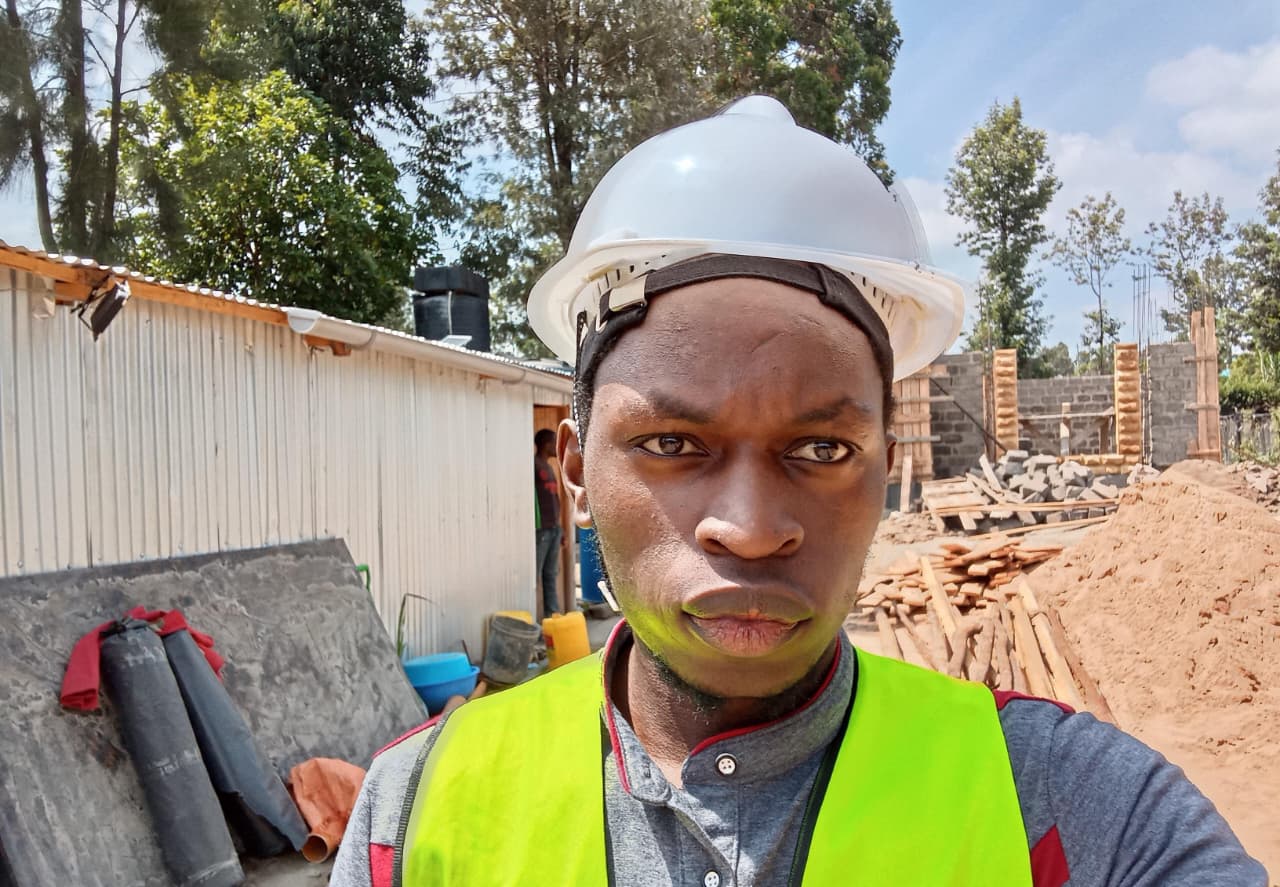
Civil Engineering · Fifth Year
Engineering Career Opportunities in Kenya: Advice for Graduates from Eng. Shammah Kiteme
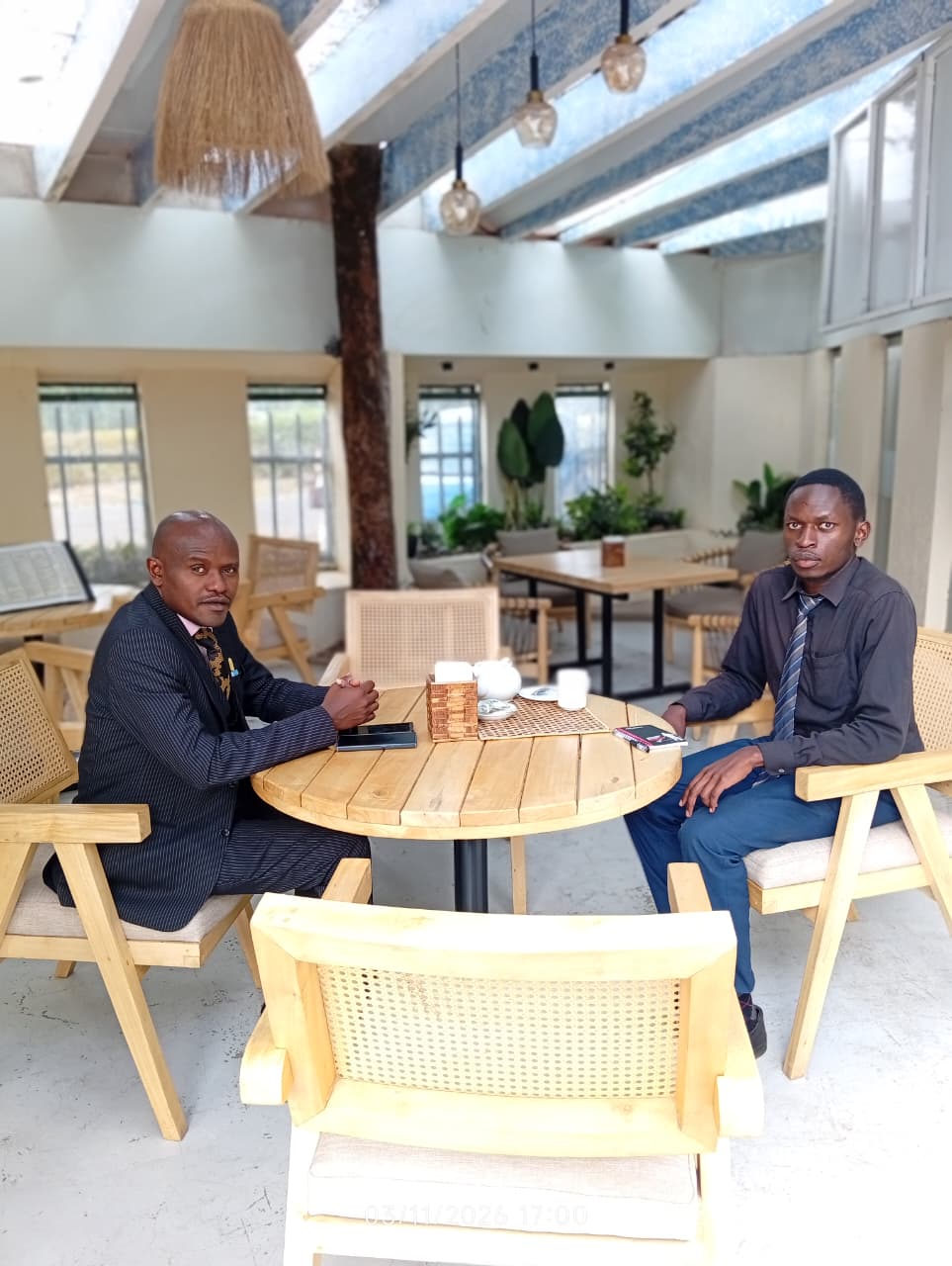
On 3rd November, I had a session over tea with Eng. Shammah Kiteme, the immediate past president of the Institution of Engineers of Kenya and the principal engineer at CengProm Services Ltd. Eng. Shammah Kiteme has more than 15 years of experience in civil and structural engineering. The session was enlightening and was geared towards getting advice on career progression from Eng. Shammah Kiteme's vast experience in civil and structural engineering.
Intended outcomes
I requested the meeting with the intended outcome being a clearer roadmap for becoming a competent engineer while having an understanding of how to position myself professionally before and immediately after graduation.
What should finalists do?
Eng Shammah noted that he got a job 3 days after graduation despite having no godfather in engineering. This wasn't out of mere luck but rather as a result of intensive networking compounded by research. This enabled him to get a great number of relevant contacts in engineering, to whom he sent out numerous job applications prior to graduation. Luckily, one prospect was successful, and he gladly took the opportunity.
What should civil engineering graduates and finalists seek out for?
Eng Shammah appreciated the value of the five-year training accorded to civil engineering graduates. He therefore opined that after graduation, graduates should not lower their self-esteem by looking for internships, as it has been the norm. Rather, graduates should look for work.
How do you become a better engineer?
Engineering is a practice-based field rather than a theory-based field. Therefore, one can only get better by practising more and getting more experience in the field.
How do you get more opportunities in engineering?
Eng. Shammah believes that many opportunities come when we serve. As engineers, we should therefore strive to volunteer in different ways. From his own experience of serving in technical committees, such as those that came up with the National Building Code, Eng. Shammah notes that this is one way to meet with great people and be noticed.
Also, getting more opportunities in engineering comes through doing other things that most engineers don't do. This includes engaging the media, writing articles and writing and presenting technical papers at conferences.
He noted that IEK has lots of free events that students could benefit from, while also offering to volunteer to serve at conferences. This gives a chance to interact with the professional society and other members of the profession.
What opportunity should graduates choose?
It was clear that very few graduates have a myriad of options. Eng. Shammah therefore advised me to start wherever I find an opportunity, be it under a developer, contractor, or consultant.
Regardless of that, he stressed that graduates and young people should be patient and stay long enough to learn at a specific job.
Which Civil Engineering Specialisation Should You Choose?
Eng. Shammah explained that different specialisations thrive differently based on the economic and political conditions of the time. He accordingly advised that for whatever specialisation one pursues, one should endeavour to become so great in it that one is the go-to person on any matter regarding it.
Do Civil Engineers Need to Understand Manual Calculations When Using Engineering Software?
Eng. Shammah remarked that you aren’t an engineer if you can’t do what the software is doing. Given how the university prepares one thoroughly and adequately for the industry, one should endeavour to always master the calculations and theory taught in the university. Eng Shammah highlighted that years later, his notes from third year are still relevant in practice and that whatever he was taught then is still what he does.
It was elucidated that the basic engineering principles of designing beams, columns, slabs and foundations are still what are applied in the industry. After mastering manual calculation, one can then be able to check the output of the software and choose a software that they are comfortable with.
Engineering judgement
One develops engineering judgement by training and experience. It is therefore necessary to practise more to be able to develop engineering judgement.
Challenges faced by young civil engineers
Eng. Shammah made the observation that young civil engineers are facing high unemployment rates despite the major infrastructural works currently ongoing in Kenya. In response, he believed that the field of infrastructure is growing and more opportunities will be available in infrastructure in the next 5 – 10 years.
On engineering business
Eng. Shammah asserted that engineering must bring money to you. One must therefore develop themselves to a level where they can sell their skills. This can be done by gaining enough experience and being able to deliver value while solving clients' problems.
It was apparent that every business must make profits.
For AECAS
I couldn't end the meeting without learning how the Association of Engineering, Construction and Architecture Students (AECAS-TUK) can stand out in preparing its members for professional practice. Eng. Shammah held the opinion that AECAS should follow up with societies and that AECAS should invite more practising professionals to talk with students while sharing their experience.
Conclusion
I thank Eng. Shammah Kiteme for the opportunity to interact with him and to learn from him. The opportunity was an eye-opening one, and I appreciate him for his time. I aim to meet more experienced professionals in the built environment to learn and gain diverse perspectives. If you know anyone willing to have such a meeting, feel free to contact me via my contact page.
About the Author
El-Bethel Buyanzi is a fifth-year civil engineering student at the Technical University of Kenya and President of the Association of Engineering, Construction and Architecture Students (AECAS-TUK). He has a keen interest in engineering, the built environment, leadership and professional development. Through his writing, he documents his experiences, lessons and observations while exploring engineering practice, industry developments and the professional journey of an emerging engineer.
To learn more about the author, visit his about page or subscribe to his newsletter.